GEOTECHNICAL ENGINEERING
NEWARK
HomeInvestigationExploratory test pit

Exploratory Test Pits in Newark: Ground Truth Before You Build

Evidence-based design. Reliable delivery.

LEARN MORE

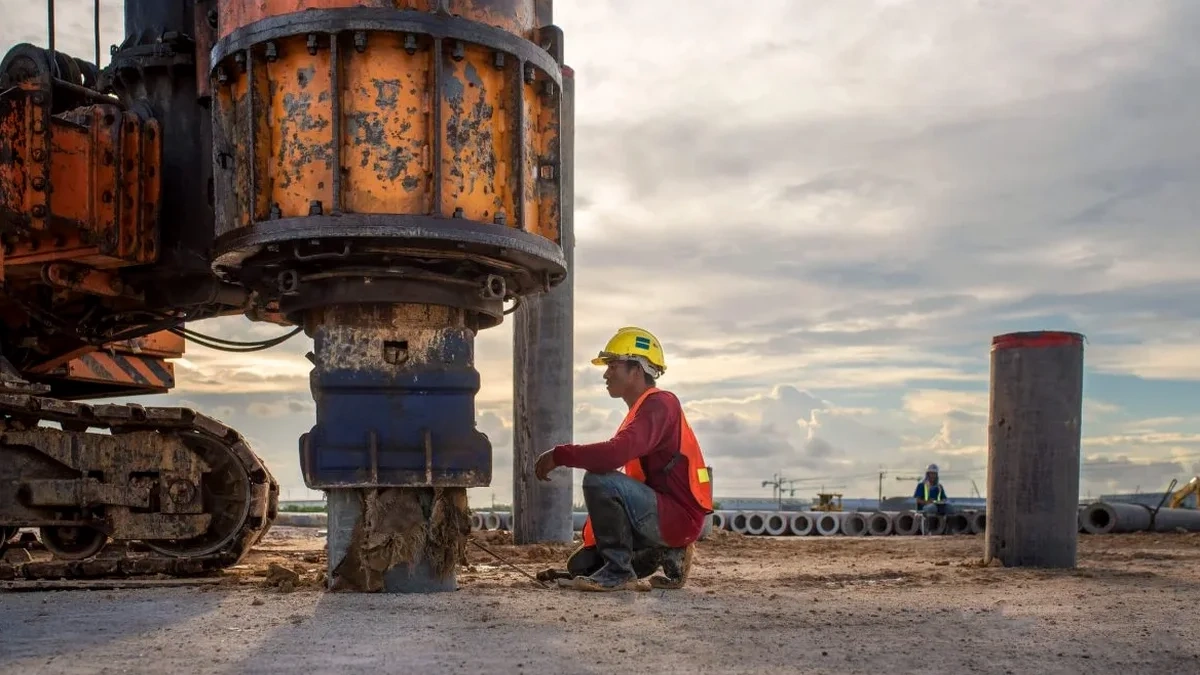
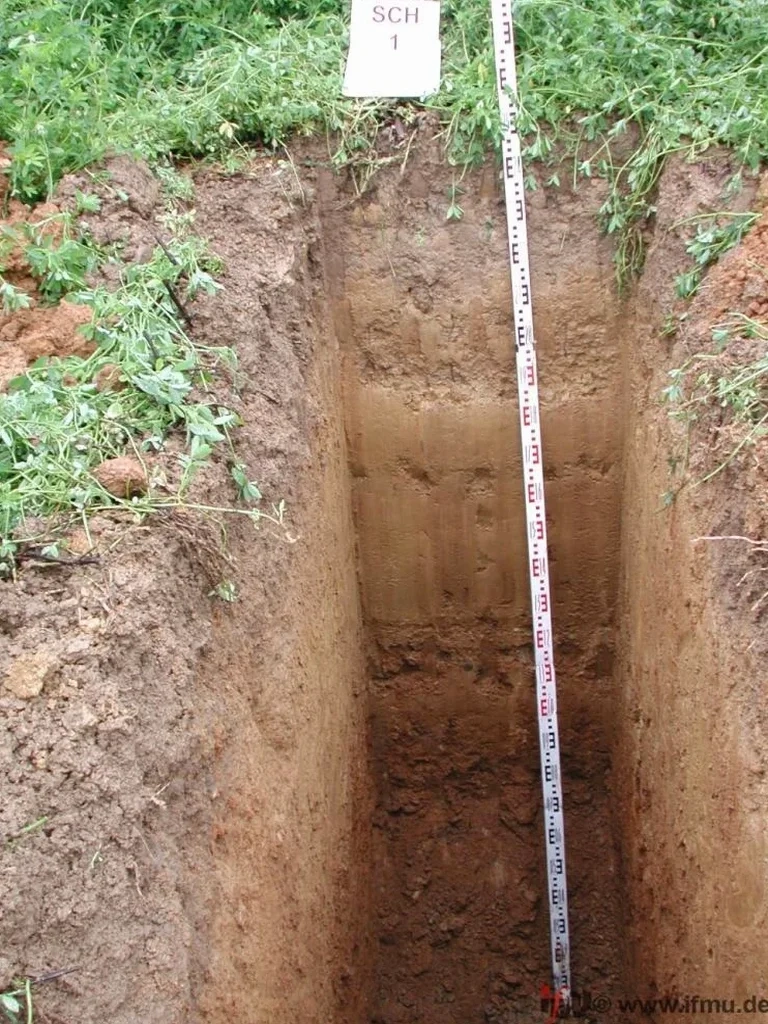
Newark grew up fast—on glacial till near the Watchungs, on filled marshland along the Passaic, and on tight urban lots where history runs deeper than the sewer lines. Knowing what’s actually under the footing matters. Our team runs exploratory test pits throughout Newark, from Ironbound warehouse conversions to university expansions, using a compact excavator that threads into alleys where a drill rig can’t breathe. We open the ground, log the strata face-to-face, and pull bucket samples that show exactly where fill ends and native clay or varved silt begins. For deeper refusal data, the same crew frequently pairs the pit with SPT drilling to carry the profile down past the reach of the bucket.

You can read all the historic fill maps in the world, but nothing replaces standing next to an open cut and seeing the top of the varved clay yourself.
Our service areas

How we work

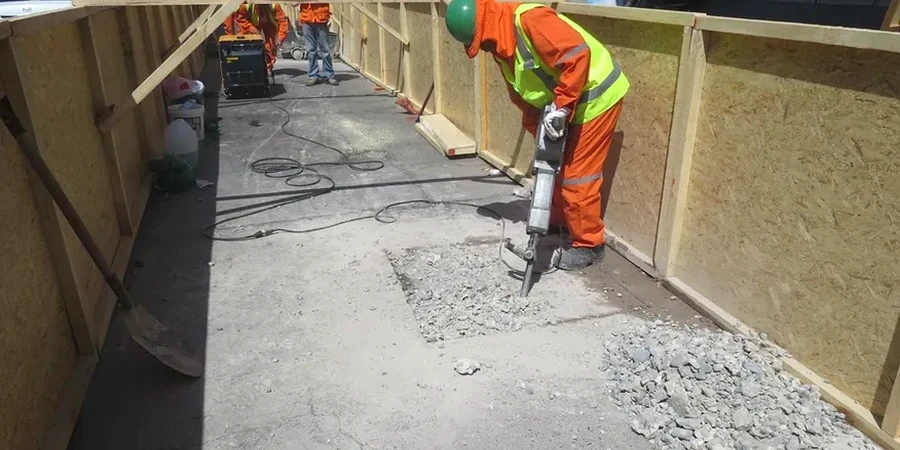
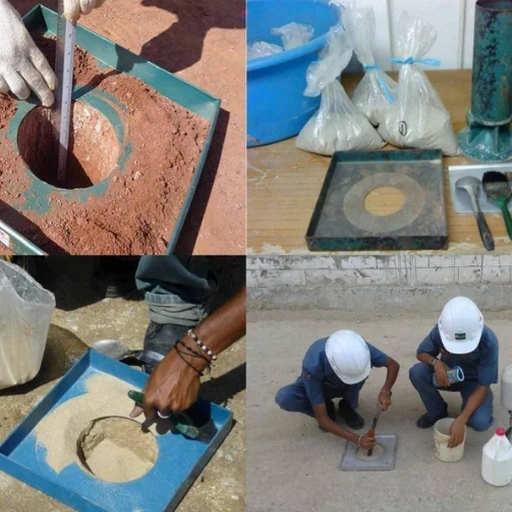
The workhorse on a Newark job is a rubber-tracked mini excavator, typically 3.5 to 5 metric tons, fitted with a smooth 18-inch or 24-inch bucket. We can cut through old brick rubble and asphalt cap in under an hour, then bench down in lifts while a field engineer describes each horizon per ASTM D2487. Where the water table sits high—common near the Meadowlands—the pit becomes a live drain, so we log the seepage rate and often take undisturbed tube samples from the sidewall before sloughing starts. When bearing evaluation is the goal, we combine the pit with a plate load test right on the exposed subgrade, giving you direct modulus values without extrapolating from blow counts alone.
Exploratory Test Pits in Newark: Ground Truth Before You Build
Technical reference — Newark

Local geotechnical context

OSHA 1926 Subpart P governs trenching and excavation safety, and Newark’s urban fill makes classification tricky right from the spade. We have opened pits in the Ironbound where the top six feet were cinder, ash, and clinker—Type C soil by any measure—directly over competent glacial till. That mismatch can fool an inexperienced operator into benching too steep. Our field lead classifies the soil at every lift change, checks atmospheric conditions when buried organic silt is present, and sets hydraulic shores before anyone enters a cut over five feet deep. If the pit stays open overnight, we fence, plate, and light it per city code. The risk isn’t just a cave-in; it’s the unmarked 24-inch brick sewer or abandoned fuel line that the One Call ticket didn’t capture. Private GPR scanning before we tooth the bucket is non-negotiable.

Need a geotechnical assessment?

Reply within 24h.

Email: contact@geotechnical-engineering.vip

Video resource

Relevant standards

ASTM D1586 – Standard Test Method for Standard Penetration Test (SPT) and Split-Barrel Sampling of Soils, ASTM D2487 – Standard Practice for Classification of Soils for Engineering Purposes (Unified Soil Classification System), OSHA 1926 Subpart P – Excavations (Trenching and Shoring), IBC Chapter 18 – Soils and Foundations

Technical data

ParameterTypical value
Maximum practical depth14 ft (urban), deeper where setback allows benching
Excavator class3.5-5 metric ton mini excavator, low ground pressure
Utility clearance protocolNJ One Call ticket + private GPR sweep within site boundary
Soil description standardASTM D2487 Unified Soil Classification (USCS)
Sampling methodBucket grab, hand-carved block, or thin-wall Shelby tube from pit wall
Typical shoring approachSpeed Shore or hydraulic vertical shores beyond 5 ft in OSHA soils
Backfill specCompacted DGA or controlled low-strength material per geotechnical report

Common questions

How deep can you excavate a test pit on a tight Newark lot?

With a mini excavator and adequate side clearance for benching, we typically reach 12 to 14 feet on urban sites. Where depth exceeds 5 feet and OSHA soil classification requires it, we install hydraulic vertical shores. For profiles deeper than 14 feet, we often transition to SPT drilling from the pit floor.

What does an exploratory test pit cost in the Newark area?

An exploratory test pit in Newark generally runs between US$520 and US$830 for a standard excavation, including utility clearance, soil logging, and a brief field report. The final figure depends on depth, shoring requirements, and whether you need companion tests like a plate load or density measurements on the same visit.

Do you handle the Newark permit and utility mark-out?

We file the NJ One Call ticket and coordinate with PSE&G and city water for public utility marks. On private property, we run our own GPR sweep to locate unmarked services. Street-opening permits from the City of Newark Engineering Division are the client’s responsibility, though we prepare the supporting sketch.

Can you leave the test pit open for the geotechnical engineer to inspect?

Yes, provided the excavation is stable or shored. We fence the perimeter with safety barricades and cover the pit with steel plates if it must stay open overnight. Our crew returns for backfill and compaction once the inspection is complete.

What kind of samples do you collect from an exploratory test pit?

We collect disturbed bucket samples from each distinct stratum for classification and moisture content. From the pit wall, we can carve hand-trimmed block samples or push thin-wall Shelby tubes in fine-grained soils when undisturbed structure is critical for lab shear or consolidation testing.

Location and service area

We serve projects in Newark and surrounding areas.

View larger map