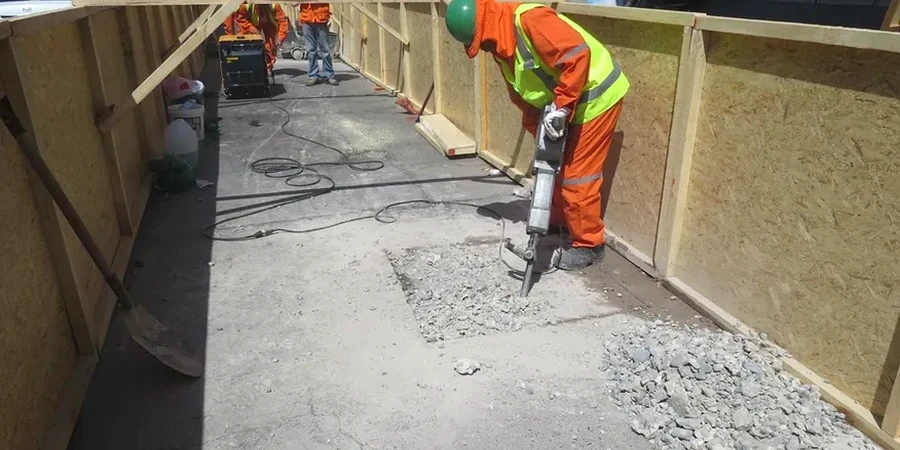
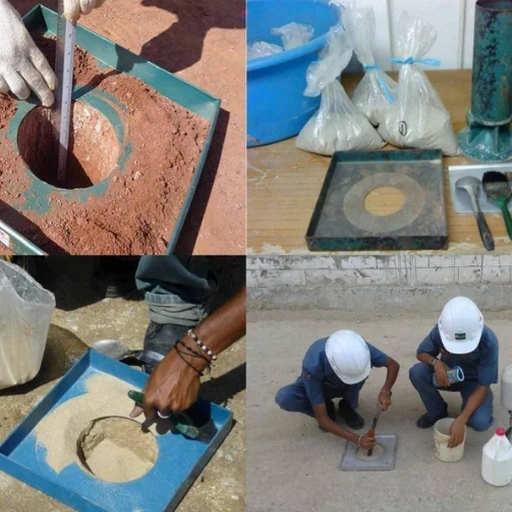
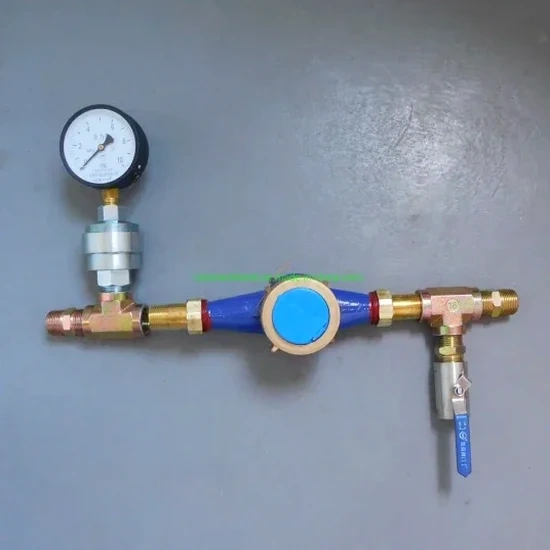
Newark sits on complex geology: the Passaic Formation's red shale bedrock is overlain by glacial lake deposits from Lake Passaic in the lowlands, while the Meadowlands area is defined by thick, compressible organic silts and urban fill. Groundwater levels in the Ironbound district often rise within five feet of grade after heavy rain, creating hydrostatic pressure that complicates basement construction and deep excavations. Before designing a dewatering system or a permanent foundation drain, you need the in-situ hydraulic conductivity — not a rough guess from a grain-size chart. Our team runs the Lefranc test in soil and the Lugeon test in fractured rock, following ASTM D4630 and USBR procedures, to deliver reliable permeability values directly from your Newark site. Whether your project is near the Passaic River waterfront or up in the Forest Hill historic district where bedrock is shallower, we combine test pits to identify strata boundaries with the permeability test that matches the formation.
A single Lugeon test in fractured Passaic shale can reveal flow paths that a hundred grain-size curves would miss.